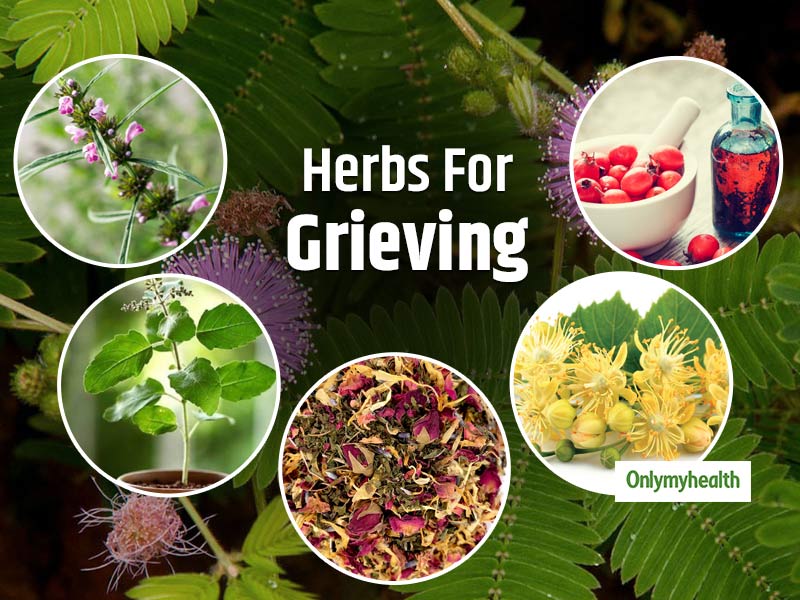
Hawthorn & Healing Herbs: Nature's Aid for Grief and Sorrow
In moments of profound grief and sorrow, the heart often feels heavy, vulnerable, and overwhelmed. While emotional healing is a deeply personal and often lengthy process, humanity has, for millennia, turned to the natural world for solace and support. Among the many gifts of nature, certain herbs stand out as gentle allies, offering comfort and helping to navigate the challenging landscape of loss.
When we speak of the 'Herb Of Sorrow,' it might evoke images of a singular, potent plant, a botanical balm specifically designed for the heaviest of hearts. Indeed, nature does offer a profound apothecary for the grieving soul. Yet, the phrase itself can carry broader meanings, reflecting personal journeys through adversity and the strength found in navigating life's challenges. Just as a plant draws resilience from the earth, individuals can find their own paths to healing. For a compelling exploration of such a journey, consider G Herbo: Unpacking the Journey Behind City of Sorrow, which illustrates resilience beyond the botanical.
In the botanical sense, however, the concept of an "herb of sorrow" more broadly encompasses a range of plants known for their soothing, strengthening, and heart-supporting properties. These aren't magic cures, but rather supportive companions, working to ease the physical and emotional strain that grief can exert on the body and mind. This article delves into these remarkable botanical helpers, with a special focus on Hawthorn, a true powerhouse for both the physical and emotional heart.
Hawthorn: The Heart's Gentle Guardian and a Key Herb Of Sorrow
Among the pantheon of healing plants, Hawthorn (Crataegus monogyna or Crataegus oxyacantha) stands as a beacon of hope for those experiencing grief. Often dubbed the "heart herb," its reputation for supporting cardiovascular health is well-established, but its lesser-known, yet equally profound, ability to soothe the emotional heart makes it a quintessential "Herb Of Sorrow."
A Cardiovascular Powerhouse: Before diving into its emotional benefits, it's essential to acknowledge Hawthorn's impressive physical contributions. Rich in flavonoids, proanthocyanidins, and other antioxidants, Hawthorn berries, leaves, and flowers are traditionally used to support heart health. They help to improve blood flow, strengthen heart muscle contractions, reduce cholesterol levels, and aid in controlling blood pressure. In times of stress and emotional upheaval, the body's cardiovascular system can be particularly vulnerable, making Hawthorn's strengthening properties invaluable.
Healing the Wounded Heart: Beyond its physical impact, Hawthorn is revered in traditional medicine for its profound affinity for the emotional heart. When we experience deep grief or sorrow, it can feel like a physical ache in the chest. Hawthorn is believed to help process and move through these intense emotions, offering a gentle embrace to a bruised and heavy heart. It doesn't numb the pain, but rather supports the individual in feeling and integrating their grief, preventing it from becoming stagnant or overwhelming.
Historical and Spiritual Significance: Hawthorn has a rich history steeped in folklore and spiritual traditions. Associated with love, protection, and fertility, it was often planted near homes to ward off negative energies and protect the inhabitants. Its blooming in late spring often symbolizes hope and renewal, offering a poignant reminder that even after the deepest winters, life finds a way to blossom again. This historical context adds another layer to its role as a comforting presence during sorrow.
How to Use Hawthorn for Grief Support:
- Hawthorn Tea: One of the simplest and most comforting ways to consume Hawthorn is as a tea. You can use dried berries, flowers, or leaves.
- Preparation: Steep 1-2 teaspoons of dried Hawthorn (berries, leaves, or a mix) in a cup of hot water for 10-15 minutes.
- Enhancement: Add a spoonful of honey for sweetness and additional soothing properties. Honey has been known for its comforting qualities.
- Frequency: Drink 1-3 cups daily, especially during times of intense grief.
- Tinctures: Hawthorn tinctures (alcohol-based extracts) offer a more concentrated form and are convenient for daily use. Always follow dosage instructions from a reputable brand or herbalist.
- Capsules: For those who prefer not to drink tea, Hawthorn is also available in capsule form.
Important Note: While Hawthorn is generally considered safe, especially when used in recommended doses, it can interact with certain medications, particularly heart medications like digoxin, beta-blockers, and calcium channel blockers. If you are on any medication or have a pre-existing heart condition, it is crucial to consult with your doctor or a qualified herbalist before incorporating Hawthorn into your routine.
Beyond Hawthorn: Other Natural Allies for Emotional Well-being
While Hawthorn is a powerful ally, it's just one star in the vast galaxy of plants that can offer comfort during sorrow. A holistic approach to healing often benefits from a combination of herbs, each bringing its unique properties to the table. For more insights into how various herbs can assist in overcoming sorrow, you can explore resources like Overcome Sorrow and Grief: Discover Nature's Healing Herbs.
1. Lemon Balm (Melissa officinalis)
Known for its gentle, uplifting aroma and flavor, Lemon Balm is a member of the mint family that excels at calming the nervous system. It helps to alleviate anxiety, promote restful sleep, and lift the spirits, making it incredibly beneficial for those struggling with grief-induced stress and restlessness. It's particularly useful for "nervous dread" or a feeling of being on edge.
- Usage: Enjoy as a calming tea (1-2 teaspoons dried herb steeped for 10 minutes) or as a tincture.
2. Chamomile (Matricaria recutita)
A classic remedy for relaxation, Chamomile is more than just a sleepy-time tea. Its gentle nervine and anti-inflammatory properties can soothe irritability, reduce muscle tension, and calm an overactive mind. For those whose grief manifests as agitation or digestive upset, Chamomile can provide a gentle balm.
- Usage: Drink as a tea (1-2 teaspoons dried flowers steeped for 5-10 minutes) several times a day.
3. St. John's Wort (Hypericum perforatum)
Often lauded for its antidepressant properties, St. John's Wort can be a supportive herb for mild to moderate depression that sometimes accompanies prolonged grief. It's believed to help balance neurotransmitters in the brain, improving mood and reducing feelings of hopelessness.
- Usage: Available in capsules, tinctures, or teas.
- Important Warning: St. John's Wort interacts significantly with numerous medications, including antidepressants, birth control pills, blood thinners, and others. It can also increase sensitivity to sunlight. It is absolutely essential to consult with a healthcare professional before using St. John's Wort, especially if you are taking any other medications.
4. Rose (Rosa spp.)
The queen of flowers, Rose is not only beautiful but also holds profound healing properties for the heart. Emotionally, rose is a gentle astringent, helping to mend a broken heart and open it to self-compassion. It fosters feelings of love, comfort, and emotional connection, which can be invaluable when feeling isolated by grief.
- Usage: Rose petals can be added to teas (blended with Hawthorn or Chamomile), used in bath soaks, or infused in oils for massage.
Integrating Herbal Wisdom into Your Healing Journey
Embracing the wisdom of herbs for grief and sorrow is a step towards holistic healing, but it's important to remember that herbs are part of a larger picture. Grief is a complex process, and while nature offers incredible support, it should ideally be integrated into a comprehensive approach to well-being.
Practical Tips for Incorporating Herbs:
- Start Simply: Don't try to incorporate too many herbs at once. Choose one or two that resonate with you and see how they feel.
- Consistency is Key: Herbal remedies often work best with consistent, gentle use over time, rather than sporadic, high doses.
- Listen to Your Body: Pay attention to how different herbs affect you. Everyone's body responds uniquely.
- Quality Matters: Source your herbs from reputable suppliers to ensure purity and potency. Organic and ethically wild-harvested options are often preferred.
- Create Rituals: The act of preparing and consuming herbal teas can itself be a meditative and comforting ritual, providing a moment of calm and self-care in a difficult time.
Beyond the Herbs: A Holistic Approach to Grief
While herbs can offer profound support, they are most effective when combined with other healing modalities:
- Professional Support: Don't hesitate to seek counseling, therapy, or support groups. Talking to a professional or sharing with others who understand can be incredibly beneficial.
- Mind-Body Practices: Gentle exercise, meditation, mindfulness, yoga, and deep breathing exercises can help manage stress and promote emotional balance.
- Nutrition: A balanced diet rich in whole foods supports overall physical and mental health. Avoid excessive sugar, caffeine, and alcohol, which can exacerbate mood swings.
- Rest and Sleep: Grief is exhausting. Prioritize restful sleep and allow yourself periods of rest without guilt.
- Connection: Maintain connections with friends, family, or community. Even small interactions can help combat feelings of isolation.
Nature, in its profound wisdom, offers us Hawthorn and a myriad of other 'Herbs of Sorrow' not as a quick fix, but as gentle companions on the arduous journey of healing. They remind us of the earth's enduring cycle of loss and renewal, providing a tangible connection to a larger, comforting presence.
Conclusion
The journey through grief and sorrow is deeply personal and challenging, often feeling like an unending night. Yet, within nature's embrace, we find powerful allies like Hawthorn, a true "Herb Of Sorrow" that tends to both the physical and emotional heart. Alongside other comforting herbs such as Lemon Balm, Chamomile, St. John's Wort, and Rose, these botanical gifts offer solace, strength, and a gentle pathway towards healing. By integrating these natural aids with self-care, mindful practices, and professional support when needed, we can navigate the complexities of loss, allowing ourselves to feel, to mend, and eventually, to find a renewed sense of peace and hope. May these gifts from nature serve as a reminder that even in our darkest hours, support and the potential for healing are always within reach.